
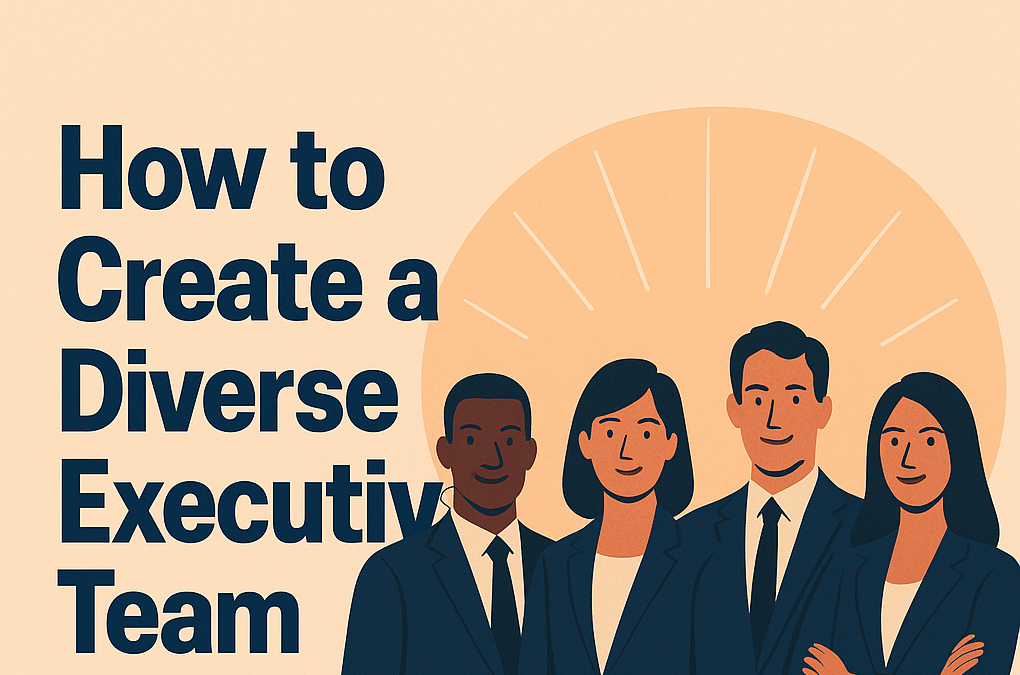
Imagine walking into a boardroom where every leader looks, thinks, and has lived almost the same experiences. Decisions may get made quickly, but innovation stalls, blind spots grow, and the company risks losing touch with its customers. Now picture a different scene: a leadership team with diverse backgrounds, perspectives, and styles of thinking. Debates are richer, strategies sharper, and employees see role models who reflect their own potential. This isn’t just about optics—it’s about building resilience, creativity, and performance. Diverse executive teams win more often because they see more.
Why Diversity in Leadership Matters
Research consistently shows that diverse leadership correlates with stronger financial performance, better decision‑making, and higher employee engagement. Executives set the tone for culture; when the team is diverse, it signals opportunity and inclusion throughout the organization. Clients and investors are also watching—many now expect diversity as a measure of governance strength.
A Client Story
One client in the tech sector came to us after three consecutive product flops. Their executive team was brilliant but homogenous—all former engineers from similar schools. Customer complaints revealed they were missing key insights about usability and accessibility. We helped them broaden their search to include leaders with different industry backgrounds, cultural perspectives, and problem‑solving approaches. Within two years, not only did product performance improve, but employee retention climbed by 20% because staff saw leaders they could relate to.
How to Build a Diverse Executive Team
• Widen the Funnel: Go beyond traditional networks and recruit in industries or regions you haven’t tapped before.
• Redefine Success Profiles: Focus on capabilities and potential, not just specific career paths.
• Partner with Search Firms: Use firms that specialize in accessing underrepresented talent pools.
• Inclusive Interview Panels: Ensure decision‑makers themselves represent different perspectives.
• Create Support Structures: Diversity without inclusion fails. Establish mentoring, sponsorship, and onboarding that support leaders once hired.
Common Barriers and How to Overcome Them
• Unconscious Bias: Leaders often replicate themselves when hiring. Structured evaluation criteria counteract this.
• ‘Not Enough Talent Out There’: This myth persists, but the reality is about access and effort—broadening sourcing unlocks overlooked pools.
• Retention Gaps: Hiring diverse executives is step one; creating an inclusive culture that keeps them is just as critical.
The Role of Boards and CEOs
Sponsorship from the very top is essential. CEOs and boards that set clear diversity goals and hold themselves accountable create momentum. When senior leaders model inclusion, it cascades throughout the company.
Conclusion
Diversity in executive teams is not just a social good—it’s a business imperative. The organizations that thrive in complexity are those whose leaders mirror the complexity of the world around them. By being intentional about diversity, you build not only a stronger executive team but also a more resilient, innovative company.
—
At TLESR, we specialize in helping companies build executive teams that combine diversity, inclusion, and performance.